Emerging technologies and trends in Computer-Integrated Manufacturing

Computer Integrated Manufacturing (CIM) is a method of manufacturing that combines the power of computers with manufacturing processes to create a highly efficient and automated production system. The use of CIM technologies has become increasingly important in recent years, as it has allowed manufacturers to increase production efficiency, reduce costs, and improve product quality. In this blog, we will discuss some of the emerging technologies and trends in computer integrated manufacturing.
Internet of Things (IoT)

The Internet of Things (IoT) is a network of interconnected devices that communicate with each other to share data and perform tasks. In the context of computer integrated manufacturing (CIM), the IoT can be used to connect machines, sensors, and other devices to a central computer system, creating a smart manufacturing environment. The applications of IoT in CIM are numerous and varied, and include:
1. Asset Tracking and Management
IoT devices can be used to track and manage assets in a manufacturing facility, such as raw materials, equipment, and finished products. This can help manufacturers optimize their production processes, reduce waste, and improve supply chain management.
2. Predictive Maintenance
IoT devices can be used to monitor equipment and predict when maintenance is required. By analyzing data from sensors and other devices, manufacturers can identify potential problems before they occur, reducing downtime and increasing the lifespan of equipment.
3. Quality Control
IoT devices can be used to monitor the production process and detect defects or quality issues in real-time. This can help manufacturers identify and correct problems quickly, reducing waste and improving product quality.
4. Inventory Management
IoT devices can be used to monitor inventory levels in real-time, helping manufacturers optimize their production processes and reduce waste. This can also improve supply chain management by ensuring that materials are available when needed.
5. Energy Management
IoT devices can be used to monitor energy usage in a manufacturing facility, helping manufacturers identify areas where energy can be saved and reduce costs.
6. Worker Safety
IoT devices can be used to monitor worker safety in a manufacturing facility, such as detecting the presence of hazardous materials or monitoring the movement of workers in dangerous areas. This can help manufacturers improve worker safety and reduce the risk of accidents.
Robotics and Automation

Robotics and automation have been a part of manufacturing for decades, but recent advancements in technology have made it more accessible and affordable for smaller businesses. Robots can be used to perform repetitive or dangerous tasks, increasing production efficiency and worker safety. Robotics and automation have become an integral part of computer integrated manufacturing (CIM), as they can reduce costs, and improve product quality. The applications of robotics and automation in CIM are numerous and varied, and include:
1. Assembly and Production
Robots can be used to assemble products and perform other production tasks, such as welding, cutting, and painting. Automated systems can also be used to move materials and products around the production line, reducing the need for human labor.
2. Material Handling
Robots and automated systems can be used to handle materials in a manufacturing facility, such as loading and unloading raw materials or moving finished products to storage areas. This can improve production efficiency and reduce the risk of injury to workers.
3. Quality Control
Robots and automated systems can be used to perform quality control checks on products, such as inspecting them for defects or measuring their dimensions. This can help manufacturers identify and correct problems quickly, improving product quality and reducing waste.
4. Packaging and Shipping
Robots and automated systems can be used to package products and prepare them for shipping. This can reduce the need for human labor and improve the speed and accuracy of the packaging process.
5. Maintenance
Robots and automated systems can be used to perform maintenance tasks on equipment, such as cleaning, lubrication, and repair. This can reduce downtime and increase the lifespan of equipment.
6. Data Collection and Analysis
Robots and automated systems can be equipped with sensors and other devices to collect data on production processes, such as temperature, humidity, and vibration. This data can be analyzed to identify potential problems and optimize production processes.
Additive Manufacturing

Additive manufacturing, also known as 3D printing, is a process of creating objects by layering materials on top of each other. Additive manufacturing can be used to create complex shapes and structures that would be difficult or impossible to produce using traditional manufacturing methods. This technology can also reduce waste and production time, as objects can be printed on demand. AM technology has been rapidly advancing in recent years and is increasingly being integrated into Computer Integrated Manufacturing (CIM) processes. Some of the applications of AM in CIM are:
1. Rapid Prototyping
AM technology can be used to quickly create prototypes of products, which can then be tested and refined before being produced on a larger scale. This can help manufacturers reduce time-to-market and minimize the cost of developing new products.
2. Customization
AM technology can be used to create custom parts and products that are tailored to specific customer needs. This can help manufacturers differentiate themselves in the market and provide more value to their customers.
3. Tooling
AM technology can be used to create specialized tools, jigs, and fixtures that are needed in the manufacturing process. This can help manufacturers reduce the time and cost of creating specialized tools and improve the efficiency of their production processes.
4. Complex Geometry
AM technology can be used to create parts and products with complex geometries that would be difficult or impossible to produce using traditional manufacturing methods. This can enable manufacturers to create innovative designs and improve the performance of their products.
5. On-Demand Production
AM technology can be used to create parts and products on-demand, eliminating the need for large inventories and reducing the cost of storing and managing inventory. This can also help manufacturers respond quickly to changes in demand and reduce the risk of overproduction.
6. Sustainability
AM technology can be used to reduce waste in the manufacturing process by producing only the parts that are needed, reducing the amount of scrap and leftover material. This can help manufacturers improve their sustainability and reduce their environmental impact.
Overall, the applications of AM in CIM are diverse and offer significant advantages over traditional manufacturing methods. By incorporating AM technology into their production processes, manufacturers can reduce costs, improve efficiency, and create more innovative and sustainable products.
Artificial Intelligence (AI)

Artificial intelligence (AI) refers to the use of computer algorithms and machine learning techniques to perform tasks that typically require human intelligence, such as perception, reasoning, and decision-making. In the context of computer integrated manufacturing (CIM), AI has numerous applications that can help manufacturers optimize their production processes and improve product quality. Here are some of the key applications of AI in CIM:
1. Predictive Maintenance
AI can be used to analyze data from sensors and other devices to predict when equipment maintenance is required. This can help manufacturers reduce downtime, optimize maintenance schedules, and increase the lifespan of equipment.
2. Quality Control
AI can be used to analyze data from sensors and other devices to detect defects or quality issues in real-time. This can help manufacturers identify and correct problems quickly, reducing waste and improving product quality.
3. Production Planning and Scheduling
AI can be used to analyze production data and create optimized production plans and schedules. This can help manufacturers improve efficiency, reduce costs, and increase output.
4. Supply Chain Management
AI can be used to analyze data from the supply chain, such as shipping times and inventory levels, to optimize supply chain management. This can help manufacturers ensure that materials are available when needed, reduce waste, and improve efficiency.
5. Process Optimization
AI can be used to optimize manufacturing processes by analyzing data from sensors and other devices. This can help manufacturers identify bottlenecks, reduce waste, and improve efficiency.
6. Quality Inspection
AI can be used to perform automated quality inspection of products using image analysis and other techniques. This can help manufacturers ensure that products meet quality standards and reduce the need for manual inspection.
7. Predictive Analytics
AI can be used to analyze data from across the manufacturing process to create predictive models. This can help manufacturers forecast demand, optimize production schedules, and reduce waste.
Overall, AI has the potential to transform the way manufacturing is done by enabling smarter, more efficient, and more data-driven production processes. By leveraging the power of AI, manufacturers can optimize their production processes, reduce costs, and improve product quality, making them more competitive in today's rapidly evolving market.
Virtual and Augmented Reality

Virtual and augmented reality technologies can be used to improve the design and prototyping stages of manufacturing. Virtual reality can create immersive environments that allow designers to test and modify their designs before they are produced. Augmented reality can be used to overlay digital information onto physical objects, allowing workers to visualize instructions and make adjustments in real-time. Virtual and Augmented Reality (VR/AR) technologies are becoming increasingly important in computer integrated manufacturing (CIM), as they offer new ways of visualizing and interacting with production processes. Here are some of the applications of VR/AR in CIM:
1. Design and Prototyping
VR/AR technologies can be used to create immersive virtual environments that allow designers to test and modify their designs before they are produced. This can help manufacturers save time and money by identifying and correcting design issues before production begins.
2. Training and Simulation
VR/AR technologies can be used to create realistic training and simulation environments for workers. This can help manufacturers reduce training costs and improve worker safety by allowing workers to practice their skills in a virtual environment before working with real equipment.
3. Assembly and Maintenance
AR technologies can be used to overlay digital information onto physical objects, allowing workers to visualize instructions and make adjustments in real-time. This can improve the accuracy and speed of assembly and maintenance tasks, reducing downtime and improving product quality.
4. Quality Control and Inspection
VR/AR technologies can be used to visualize and inspect products in a virtual environment, allowing manufacturers to identify defects and quality issues before products are produced. This can help manufacturers reduce waste and improve product quality.
5. Marketing and Sales
VR/AR technologies can be used to create immersive product demonstrations and experiences for customers. This can help manufacturers showcase their products and differentiate themselves from competitors.
Current Trends
The earliest substantial work in the field of artificial intelligence was done in the mid-20th century by the British logician and computer pioneer Alan Mathison Turing. And today we are witnessing one of the most remarkable AI tool named ChatGPT, which can answer any questions or queries related to anything in the world. Tesla is another such company, who's working on the integration of AI and conventional technology. To make superior products like their cars, which can drive on autopilot mode without driver.
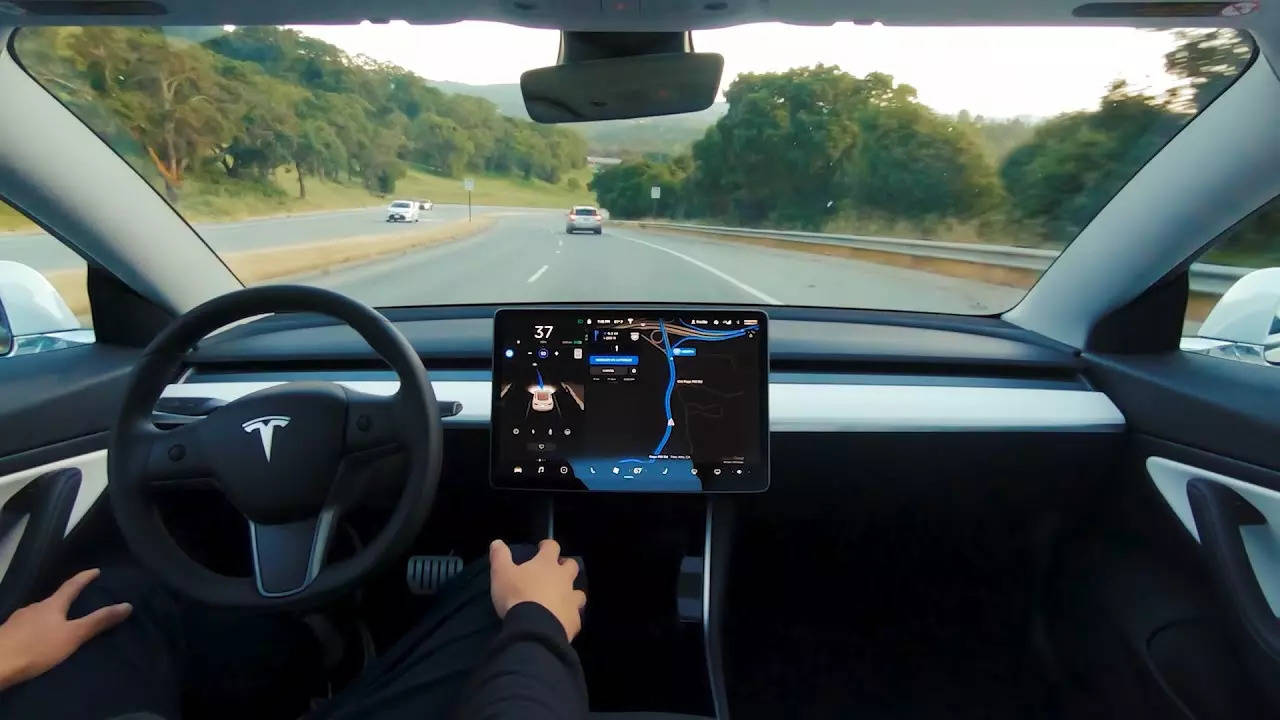
In conclusion, emerging technologies such as the IoT, robotics and automation, additive manufacturing, AI, and virtual and augmented reality are all contributing to the advancement of computer integrated manufacturing. By incorporating these technologies, manufacturers can improve efficiency, reduce costs, and increase product quality. It is important for businesses to stay up-to-date on emerging technologies and trends in order to remain competitive in today's rapidly evolving market.
I can say that it provides a good overview of the various technologies and trends shaping the field of Computer Integrated Manufacturing. Overall, the blog seems to be informative and well-written.
ReplyDeleteVery Insightful and Informative blog on trending revolution and I can see the thorough study behind the blog.
ReplyDeleteNew topic and well described....
ReplyDeleteLot of information is given about new trends than any other blogs available. Keep it up, waiting for the next one!!!!
ReplyDeleteWell explained and useful..
ReplyDeleteThanks for sharing this insightful post on emerging technologies and trends in CIM. I believe that the integration of artificial intelligence (AI), Internet of Things (IoT), and data analytics in manufacturing is changing the way we design, produce and distribute goods. I particularly find the trend towards the use of digital twins fascinating. I look forward to seeing how these emerging technologies will continue to evolve and shape the future of CIM. Keep up the great work.
ReplyDeleteThank you for your insightful comment. I'm excited to see how these emerging technologies and trends will continue to transform CIM and shape the future of manufacturing. Thank you for your valuable contribution to the discussion.
DeleteI believe that keeping up with emerging trends in CIM is critical for manufacturers to stay competitive and innovative. It's fascinating to see how technologies like 3D printing, IoT, AI and ML, robotics, automation, and blockchain are transforming manufacturing processes and supply chain management. Additionally, the focus on sustainability and reducing environmental impact is a welcome trend that will help build a better future for all. By leveraging these emerging technologies and trends, manufacturers can enhance efficiency, reduce waste, and deliver better products and services to customers. Overall, I think this is an exciting time for CIM, and I look forward to seeing how it continues to evolve and improve in the coming years.
ReplyDeleteInformative!
ReplyDeletePinpointed Information
ReplyDelete